Thinking about buying a home in a Dublin neighborhood with an HOA? The rules and fees can feel confusing when you are trying to compare homes and budgets. You want clarity on what dues cover, what you can and cannot change, and how to avoid surprise assessments. This guide breaks it all down for Dublin, Ohio buyers so you can make a confident decision. Let’s dive in.
How HOAs work in Dublin
Most Dublin HOAs are nonprofit corporations that enforce community covenants and manage shared spaces. They operate under recorded documents you agree to when you buy: the declaration of covenants, bylaws, and rules. Some neighborhoods are self‑managed by a volunteer board, while others hire a professional management company.
You will see several community types in Dublin:
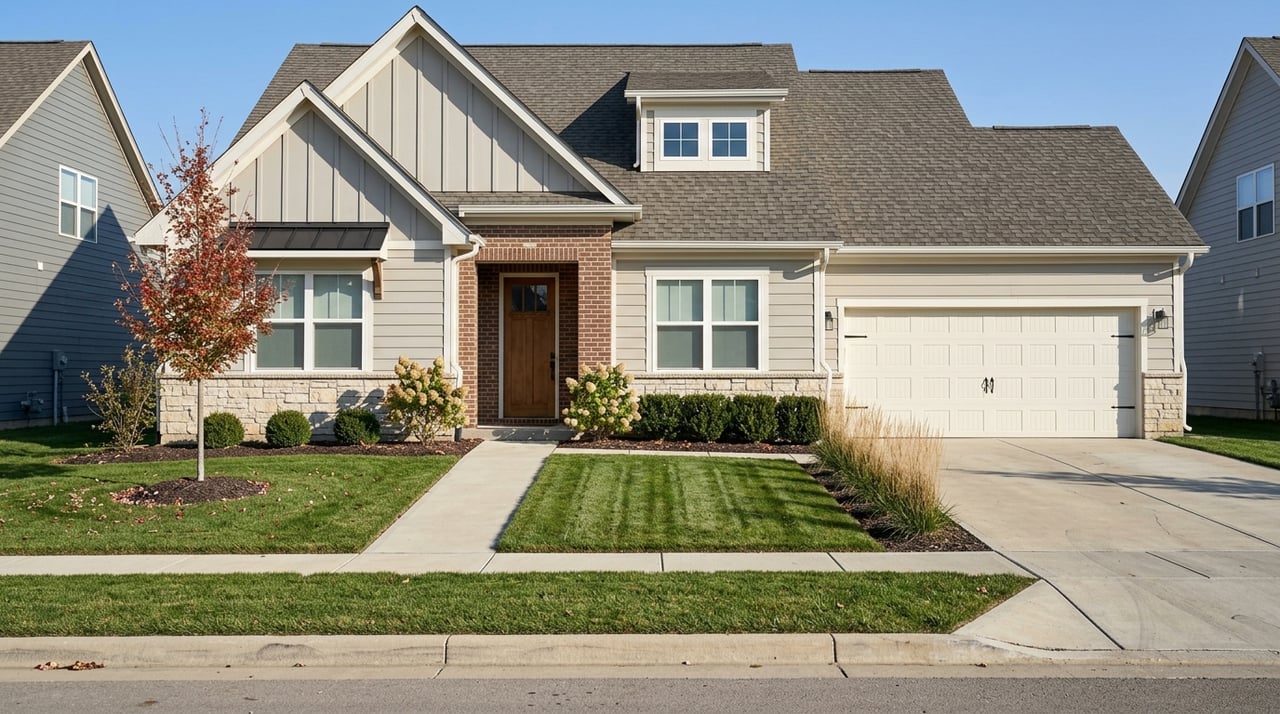
- Single‑family neighborhoods with entry features, common greens, and light maintenance.
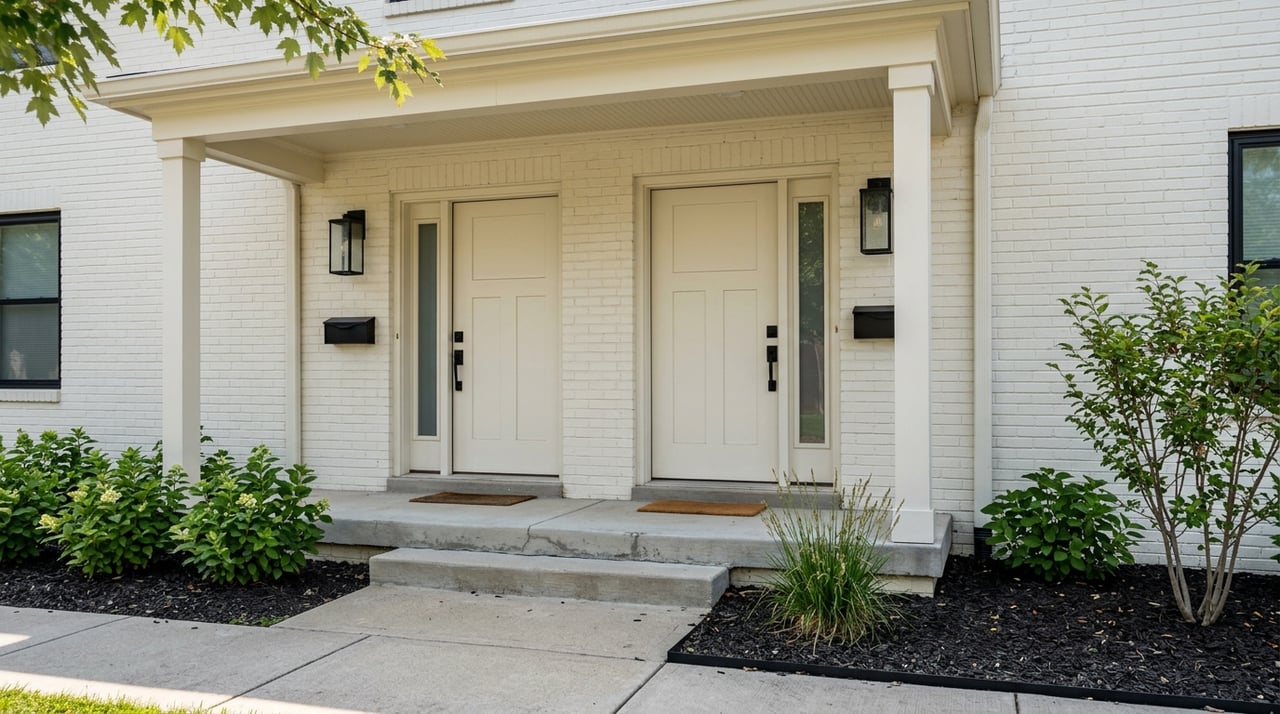
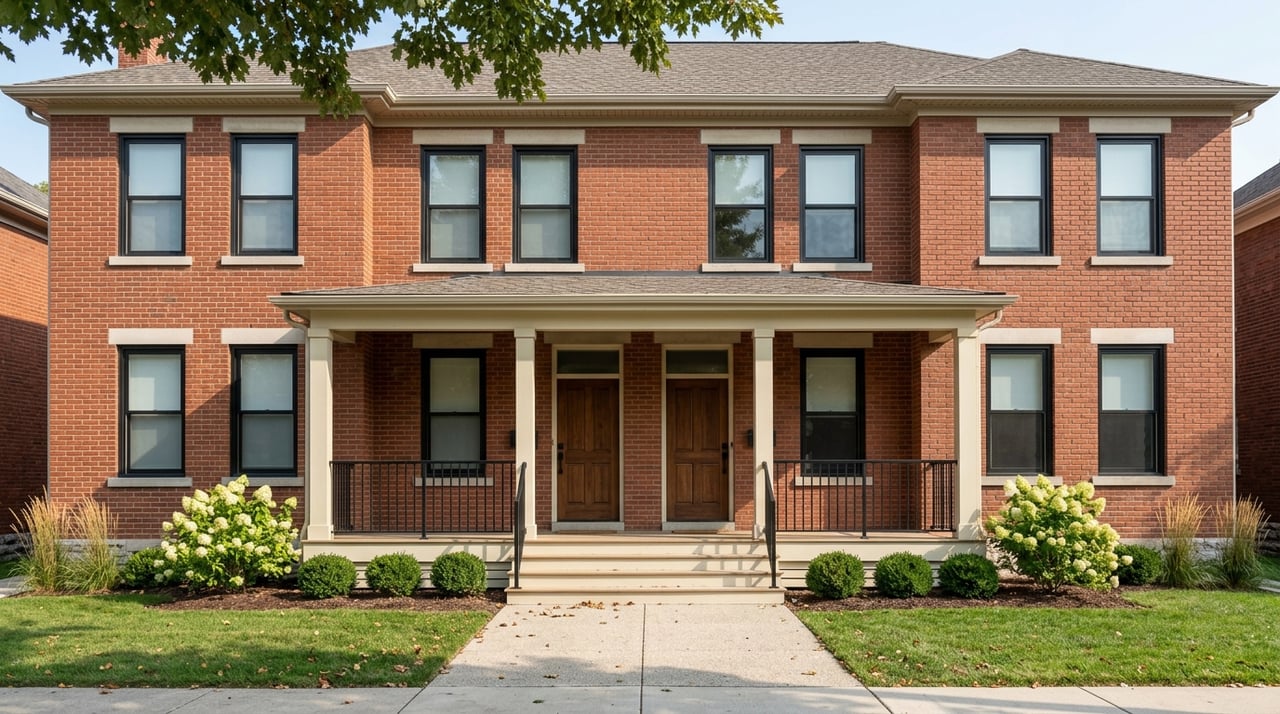
- Townhome and condo communities with shared buildings and higher levels of maintenance.
- Planned communities with amenities like pools, trails, and clubhouses.
Dublin is a mature suburb with both established subdivisions and newer developments. Expect a wide range of HOA styles, from low‑fee, light‑rule communities to amenity‑rich associations with more structure.
What HOA fees cover
Typical fee ranges in Dublin
Actual dues are set by each association, but these ballpark ranges are common across the Columbus and Dublin market. Always verify with the specific community’s documents and budget.
- Condominiums: about $200 to $600 or more per month
- Townhomes: about $100 to $350 per month
- Single‑family HOAs: about $200 to $1,200 per year
- Amenity‑heavy communities may sit at the higher end of these ranges
Fees are billed monthly, quarterly, or annually, depending on the community.
What your dues pay for
Your dues support day‑to‑day operations and long‑term upkeep. Typical line items include:
- Grounds care for common areas, snow removal on private roads, and entry landscaping
- Amenity upkeep for pools, clubhouses, playgrounds, courts, trails, and fitness rooms
- Exterior building maintenance for condos and some townhomes, such as roofs, siding, paint, and shared systems
- Insurance on common areas and, for condos, the building shell
- Utilities for common spaces and shared services in some condos
- Management fees, admin costs, and legal or collection services
- Reserve contributions for future major repairs and replacements
You may also see one‑time or transactional fees, such as transfer or administrative fees at closing, resale or estoppel certificate fees, move‑in deposits for condos, or architectural application fees for exterior changes.
Special assessments and reserves
Healthy reserves reduce the risk of large special assessments. Ask for the reserve study, current reserve balance, and budget to see if the association funds long‑term projects in a planned way. The Community Associations Institute offers helpful guidance on reserve studies and how associations plan for big projects.
There is no universal “good” reserve percentage. The right target depends on the assets and timing of replacements. Be cautious if reserves are low and big projects like roof replacements, paving, or pool refurbishing are coming up. Large or frequent special assessments are a red flag.
Financial warning signs
Look for any of the following in the HOA’s documents or meeting minutes:
- Low or zero reserves paired with aging buildings or amenities
- Large, recent, or planned special assessments
- Big jumps in dues or repeated budget shortfalls
- High owner delinquency rates
- Pending litigation involving the association
- Frequent turnover of board members or management companies
Common rules you will see
Architectural and exterior changes
Most Dublin HOAs use an Architectural Review Committee to approve exterior changes. Expect rules for paint colors, siding, doors, windows, decks, additions, and fences. Landscaping standards often cover mowing, weeds, mulch, and tree care. Plan ahead if you want to add a patio, fence, or shed.
Parking, pets, and rentals
Rules often address:
- Parking and vehicles, including guest parking, on‑street limits, and restrictions on RVs, boats, or commercial vehicles
- Pet policies with leash rules, cleanup expectations, and sometimes size or number limits
- Rentals, including minimum lease terms, registration requirements, or caps on rental percentages
Read carefully if you plan to rent your home, welcome frequent guests, or own large or multiple pets. Make sure the rules fit your lifestyle.
Enforcement and fairness
Typical enforcement follows a process: violation notice, fine, and lien if unpaid. Some associations take a light approach, while others enforce strictly. Review recent meeting minutes to see how rules are applied. Consistent and fair enforcement protects values and helps avoid neighbor conflicts.
Documents to review before you offer
Reading the HOA documents early can prevent surprises and help you compare homes on an apples‑to‑apples basis.
Core documents to request
Ask your agent to help you obtain:
- Declaration of Covenants, Conditions and Restrictions (CC&Rs)
- Bylaws, articles of incorporation, and formal rules or policies
- Current budget, recent financial statements, and balance sheet
- Reserve study and current reserve balance
- Recent board and annual meeting minutes, ideally 12 to 24 months
- Insurance certificate or summary of coverages
- Estoppel or resale certificate showing dues, status, and any assessments
- Violation and collection policies, and any lien information
- Pending litigation disclosures
- Management contract and contact information
- Capital project plans and timelines
- Rental percentages or caps if disclosed
- Architectural guidelines and application forms
You can also confirm recorded covenants through the Franklin County Recorder and check property records with the Franklin County Auditor. If you want to understand how city codes interact with HOA standards, the City of Dublin Planning page is a helpful reference.
Smart questions to ask
- Does a recent reserve study exist, and who prepared it?
- What percent of recommended reserves is currently funded?
- Which capital projects are planned, and what are the timelines and estimates?
- Are there any special assessments planned or a history of frequent assessments?
- What is the dues delinquency rate?
- Are there any pending lawsuits?
- What does the HOA insurance cover, and what must you insure?
- Are rentals restricted or subject to minimum lease terms?
- How long do ARC approvals typically take?
Timing and delivery
In many deals, the resale or estoppel certificate arrives after you go under contract. Whenever possible, review governing documents and financials early. Ask your agent to request them right away so you can keep your inspection and document review timelines on track.
HOA vs non‑HOA living in Dublin
Pros of HOA living
- Predictable upkeep of shared spaces and amenities
- Access to pools, trails, clubhouses, and other features
- Community standards that support a consistent neighborhood look
Cons of HOA living
- Monthly or annual fees that increase your housing costs
- Possible special assessments and fee increases over time
- Restrictions on exterior changes, pets, rentals, and certain vehicles
- Risk of poor management or inadequate reserves
Pros of non‑HOA living
- Greater autonomy with fewer restrictions
- No HOA dues or association assessments
Cons of non‑HOA living
- You manage all exterior maintenance yourself
- Neighborhood appearance depends on each owner, not community rules
When to bring in pros
You do not have to evaluate an HOA alone. Consider involving:
- A real estate attorney to review covenants, enforcement powers, dispute processes, and potential risks
- A CPA or financial advisor if you want help analyzing reserves, budgets, or long‑term costs
- A condo or home inspector who understands shared building systems and common‑element maintenance
- A title company to confirm liens and ensure the correct HOA disclosures are delivered
- Your insurance agent to right‑size your coverage, especially for condo interior and loss assessment
- An experienced local agent who knows Dublin associations, fee norms, and reputable management firms
Dublin HOA buyer checklist
Use this quick list as you compare homes and communities:
- Ask the seller or agent for HOA contact info and whether it is self‑managed or professionally managed.
- Request the CC&Rs, bylaws, rules, current budget, reserve study, recent minutes, insurance summary, and the resale or estoppel certificate.
- Check recent neighborhood listings for disclosed HOA fees and what they include.
- Review the reserve study and percent funded. Flag any planned capital projects or assessments.
- Confirm what the fee covers, such as snow, landscaping, building maintenance, utilities, trash, and amenities.
- Confirm rental and pet rules if they affect your plans.
- Ask about enforcement practices and the fine schedule.
- If anything concerns you, arrange attorney review before waiving contingencies.
Choosing the right HOA is about fit, finances, and long‑term upkeep. When you understand the fees, the rules, and the association’s health, you can buy with confidence in Dublin. If you want help comparing communities or getting documents early, reach out to the Richmond Home Team. We will guide you through the details so you can focus on the right home.
FAQs
What are typical HOA fees in Dublin, Ohio?
- In the Dublin area, condos often run about $200 to $600 or more per month, townhomes about $100 to $350 per month, and single‑family HOAs about $200 to $1,200 per year, but always verify with the specific association.
What does a resale or estoppel certificate include for a Dublin HOA?
- It typically states the current dues, whether the owner is current, any special assessments, and association contacts, helping you confirm costs and status before closing.
How do Dublin HOAs handle exterior changes like fences or paint?
- Most require prior approval through an Architectural Review Committee and follow written standards for materials, styles, locations, and colors.
Can I rent out my Dublin home if it is in an HOA?
- Some associations restrict rentals, set minimum lease terms, or require registration, so read the governing documents and ask for rental percentages or caps if disclosed.
How can I verify HOA covenants and recorded documents in Franklin County?