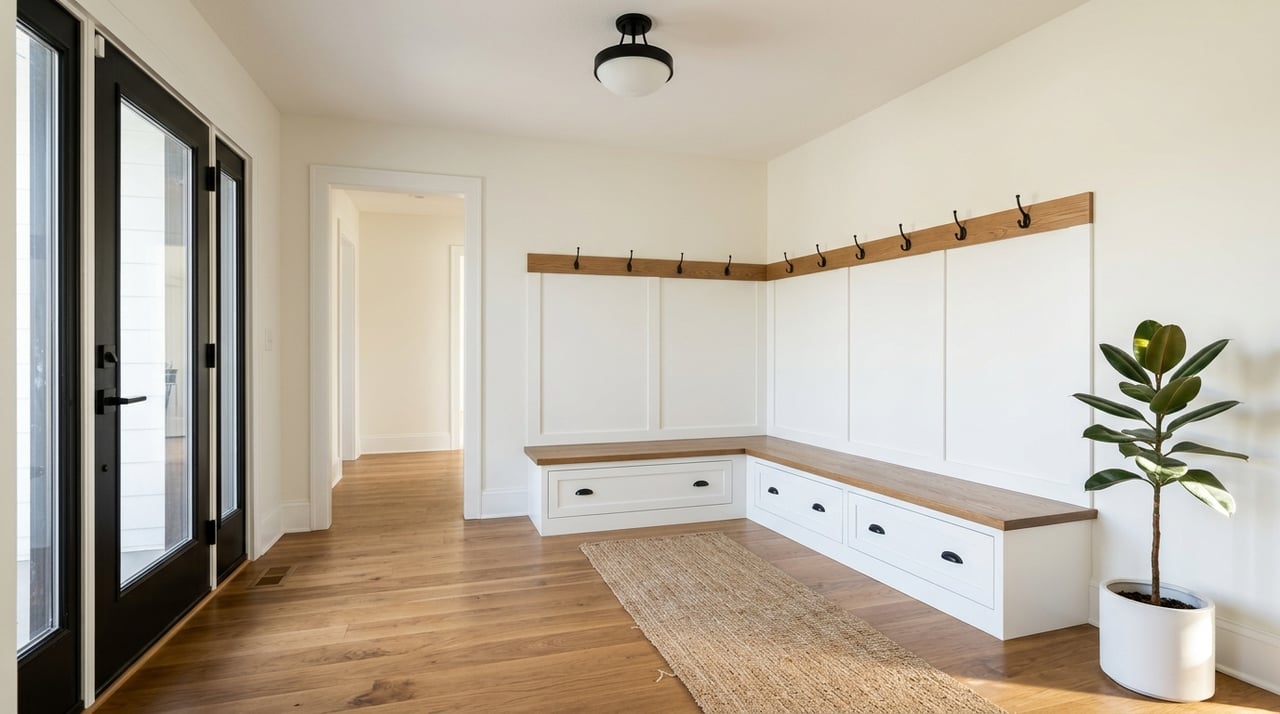
Buying New Construction In Gahanna: What To Know
May 21, 2026
May 21, 2026
If you are thinking about buying a brand-new home in Gahanna, you are probably weighing more than floor plans and finishes. New construction can offer modern layouts, energy-efficient features, and less immediate maintenance, but it also comes with longer timelines, builder contracts, and location details that are easy to miss if you are not prepared. This guide will walk you through what to watch for in and around Gahanna, how the process differs from resale, and how to make smarter decisions before you sign. Let’s dive in.
Gahanna is a northeast Franklin County suburb about eight miles from downtown Columbus. The city maintains 759 acres of parkland and about 20 miles of trails, which helps explain why buyers often focus on this area when they want suburban convenience with access to outdoor amenities.
One thing to know right away is that “Gahanna new construction” often includes nearby communities with different city addresses. You may find options in Blacklick, Jefferson Township, or New Albany that are still connected to the Gahanna-Jefferson school district, depending on the location.
Current public builder listings show a mix of planned communities rather than a wide selection of one-off custom infill lots. That means your search may center more on community style, lot setting, and builder process than on buying land and starting from scratch.
Here are a few examples from current public builder pages in the Gahanna area:
That range gives you an important clue about the local market. Around Gahanna, new construction can mean anything from low-maintenance townhomes to larger detached homes with wooded or open-space settings.
When you compare new builds in this corridor, small map details can have a big impact on your daily life and resale potential. A home can carry one mailing address while being tied to a different municipality or school district boundary.
The Gahanna-Jefferson Public Schools district includes the City of Gahanna plus parts of Jefferson and Mifflin townships. Because of that, it is smart to confirm district lines, jurisdiction, and community rules early instead of assuming the address tells the full story.
Before moving forward on a community, pay close attention to:
These details matter now, and they can matter later when you sell. Buyers often respond strongly to practical features like convenience, outdoor setting, and upkeep requirements.
One of the biggest surprises in new construction is that approvals depend on exactly where the property sits. In the City of Gahanna, the Division of Building handles permits, plan review, inspections, and enforcement of building regulations. The city uses OpenGov for online permit applications and inspection requests, and it no longer accepts paper applications.
If the property is outside the city in an unincorporated Franklin County or township area, the process can look different. Franklin County says homeowners and contractors may need a zoning compliance letter from the township before applying for a county building permit.
For buyers, the takeaway is simple: the timeline is not only about the builder. Local jurisdiction, permit review, and zoning steps can all affect when construction starts and when you can close.
Local permit costs are part of the overall picture, even if they are built into the builder’s pricing. Gahanna’s fee schedule includes residential new construction or addition permits, a certificate-of-occupancy fee, and multiple inspections tied to a new-construction permit.
If you are building on a parcel that still needs to be divided, the process can take longer. Franklin County separates lot splits, large lot developments, and major subdivisions, with more detailed review required for major subdivisions of five or more new lots.
New construction usually does not move on a resale schedule. A quick move-in home may be ready much sooner, but a to-be-built home often takes months from contract to closing.
According to a current M/I Homes Ohio buyer guide, planning and financing often take 1 to 3 months, permits can take 4 to 8 weeks, construction may take 6 to 10 months, and final walkthrough and closing typically take another 1 to 2 weeks. Pulte also notes that quick move-in homes can be ready in a month or two, depending on how far along the home is when you sign.
| Stage | Typical timeframe |
|---|---|
| Planning and financing | 1 to 3 months |
| Permits | 4 to 8 weeks |
| Construction | 6 to 10 months |
| Final walkthrough and closing | 1 to 2 weeks |
Because timing can shift, it helps to build some flexibility into your moving plans. Rate locks, lease end dates, and sale contingencies all deserve extra attention when your closing date is not fixed.
Financing a new build can differ from financing a resale home. The Consumer Financial Protection Bureau says construction loans are usually short-term, release money in stages as the build progresses, and often carry higher interest rates than long-term mortgages.
Depending on the loan structure, the financing may convert into a permanent mortgage when construction is finished, or you may need to apply for permanent financing separately. Fannie Mae and Freddie Mac both support construction-to-permanent structures, including one-close and two-close options.
Builders often work with affiliated mortgage lenders and may offer incentives for using them. That does not mean it is always your best option.
The CFPB says you do not have to use the builder’s lender, and you should compare multiple loans, terms, and features before deciding. A lender credit can be attractive, but it should be weighed against the total cost of the loan.
Builder contracts are not the same as standard resale contracts. They often contain different timing terms, upgrade schedules, deposit requirements, and builder protections.
The CFPB notes that builders can ask for an upfront builder deposit, also called earnest money. Before you commit, ask exactly when that deposit is refundable and under what conditions it may be kept.
It is wise to review whether your contract includes protections such as:
The CFPB also notes that buyers can usually shop for closing-service providers like settlement agents and title insurance. That can help you compare costs and add a layer of objectivity to the process.
It is easy to assume the sales representative at a model home is there to guide you the same way a buyer’s agent would. In reality, agency matters.
The CFPB says real estate agents may represent the buyer, the seller, or sometimes both. The practical point for new construction is that you should clarify agency relationships early and not assume the builder-side sales team is acting in your best interest.
For many buyers, this is where experienced local guidance helps most. Having someone focused on your side of the transaction can make it easier to compare communities, review terms, track deadlines, and keep the process moving.
A new home can look flawless at first glance, but that does not mean every part of the build is perfect. The CFPB recommends getting an independent home inspection as soon as possible.
NAR also notes that phase inspections during construction can catch issues earlier, especially at the foundation stage and pre-drywall stage. That gives you a chance to identify concerns before finishes go in and before closing day pressure ramps up.
Ask whether you can schedule or request:
This is one of the best ways to protect yourself, even when the builder has its own quality-control process.
Most newly built homes come with some form of builder warranty. According to the FTC, that usually includes about one year for workmanship and materials, about two years for systems like HVAC, plumbing, and electrical, and sometimes up to 10 years for major structural defects.
The exact terms can vary, so ask for the warranty details in writing. You will want to understand what is covered, how claims are handled, and what maintenance responsibilities fall on you as the homeowner.
Upgrades are one of the fastest ways for a new construction budget to grow. That is why it helps to separate upgrades that improve function and long-term appeal from upgrades that are mostly personal preference.
Research cited in the report points to a consistent theme: kitchens, flooring, bathrooms, and structural options like extra rooms or garage extensions often offer stronger value than easily changed cosmetic items. If your budget is tight, keeping some basic fixtures standard may be the smarter move.
What counts as “standard” can vary a lot by builder. Always ask for the standard-features sheet so you can compare communities fairly.
When you review options, try to prioritize upgrades that are:
That approach can help you enjoy the home now without over-improving for the neighborhood or your budget.
In the Gahanna area, lot choice may be just as important as the floor plan. Current nearby communities emphasize features like wooded homesites, open space, green space, patio-home settings, and low-maintenance townhome living.
That suggests buyers in this market often care about privacy, outdoor setting, and ease of upkeep. While every buyer is different, those are practical factors worth weighing when you compare one lot premium to another.
Before choosing a homesite, consider:
A great floor plan on a less desirable lot may not feel like the best value over time.
Buying new construction in Gahanna can be a smart move if you go in with clear expectations. The right home is not just about picking finishes you like. It is about understanding the community, the jurisdiction, the contract, the timeline, and the long-term fit for your lifestyle. If you want experienced guidance as you compare builders and communities around Gahanna, connect with Richmond Home Team to start your home journey.
Stay up to date on the latest real estate trends.
If you're in the market for a new home, looking to sell your current home, looking for an investment property, or all of the above, let us be your guides to help you make that dream come true!
Get In Touch With Our Team To Learn More

5400 Frantz Rd. Dublin, OH 43016