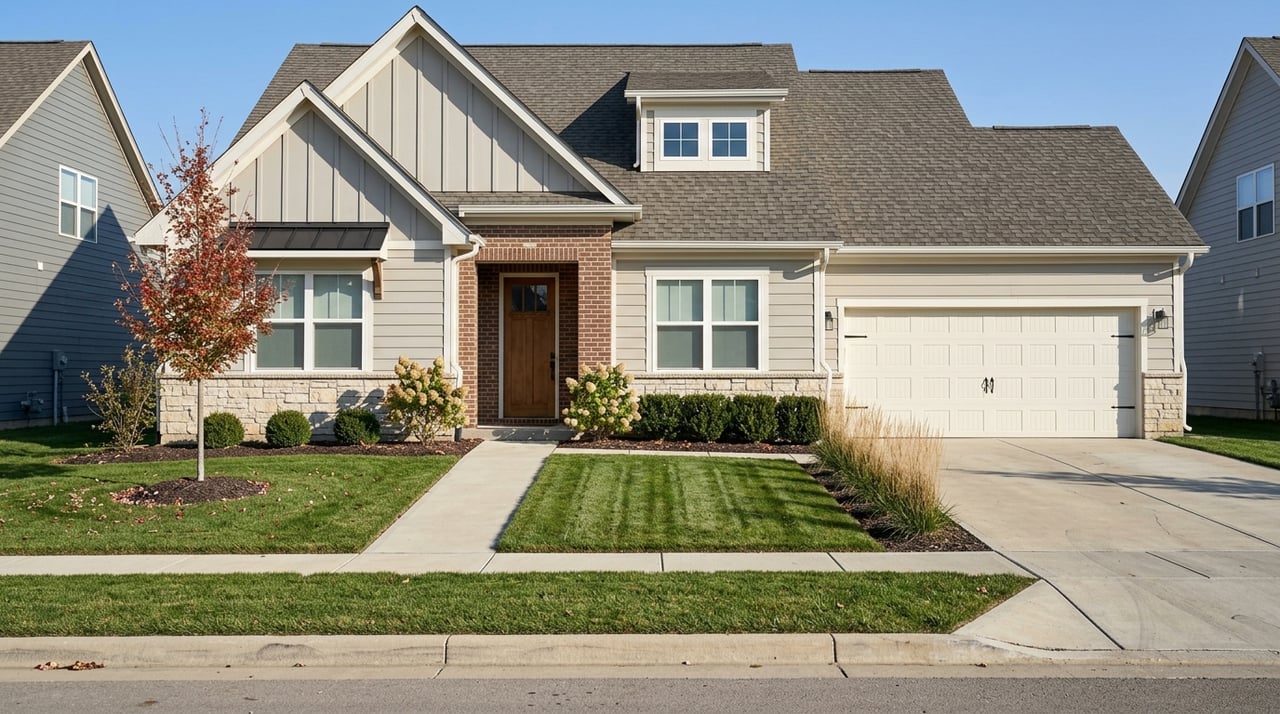
How Hilliard Neighborhoods Differ For Today’s Homebuyers
June 4, 2026
June 4, 2026
Wondering which Hilliard neighborhood actually fits your lifestyle, budget, and day-to-day routine? You are not alone. Hilliard has a lot of appeal for today’s buyers, but it is not a one-size-fits-all market. If you are trying to decide between walkability, more space, low-maintenance living, or easier freeway access, this guide will help you compare the main neighborhood patterns in Hilliard and narrow your short list. Let’s dive in.
One of the biggest things to know about Hilliard is that it is less about strict neighborhood borders and more about distinct living patterns. According to the city’s planning documents, Hilliard has long been a single-family suburb, but it is becoming more diverse in housing type.
That matters because buyers today are often looking for different things than they did 20 years ago. Some want a traditional subdivision. Others want attached homes, smaller lots, or a more walkable setting near shops, trails, and parks.
The city also notes that more than half of Hilliard’s housing was built between 1980 and 1999, with another 30% built since 2000. Its 2025 housing study says typical homes are now out of reach for more than half of Hilliard households, which makes it even more important to focus on which parts of the city may align best with your priorities and price range.
Recent citywide price snapshots vary depending on the source, but they generally land in the high-$300,000s to $400,000s. In March 2026, Redfin reported a median sale price of $470,000, Zillow reported an average home value of $387,636 with a median sale price of $340,117, and Realtor.com reported a median listing price of $399,900.
If you want a neighborhood with more personality and a more connected feel, Old Hilliard stands out. This is the city’s historic downtown core, home to Hilliard’s Station Park, the DORA district, and the starting point of the Heritage Rail Trail.
The city’s plan calls for Main Street frontage to remain low-rise and pedestrian-scaled, with mixed-use and housing nearby. That planning approach helps explain why this part of Hilliard feels more village-like than subdivision-like.
Homes in and around Old Hilliard tend to look different from what you will find in newer parts of the city. Recent examples include 1940s and 1950s ranches, a Cape Cod, and some custom or low-maintenance condo options, with sample prices ranging from the high-$200,000s to the mid-$300,000s, and some condos priced higher.
For many buyers, the appeal here is simple. You get older homes, closer access to restaurants and local events, and a stronger sense of place than you might find in a more conventional suburban layout.
Old Hilliard may be worth touring first if you are looking for:
If your goal is a classic suburban neighborhood with established streets and a more familiar layout, several Hilliard communities fit that description well. Hilliard Green, Cross Creek Village, and Darby Glen are good examples.
These areas tend to offer the kind of daily life many buyers picture when they think of suburban Hilliard. You will generally see single-family homes, neighborhood parks, and convenient access to shopping corridors and major roads.
Hilliard Green is a late-1990s subdivision with a mix of ranches and colonials. Redfin reported a March 2026 median sale price of $372,500, and recent homes included a 1,220-square-foot ranch around $359,000 and 1,800-square-foot two-story homes around $390,000.
Listings often point to quick access to I-270 and the Hilliard Rome Road retail corridor. In practical terms, this makes Hilliard Green feel more like an established value pocket than a walkable district.
Cross Creek Village offers a similar suburban feel, but with a somewhat broader housing mix. Recent listings showed single-story homes, two-story colonials, and other single-family homes from roughly 1,100 to 2,200 square feet, with values in the low-$300,000s to low-$400,000s.
This area also benefits from access to Cross Creek Park, which includes football, lacrosse, and soccer fields. If you want a neighborhood that feels settled and practical, this is one to keep on your list.
Darby Glen is a smaller and more modest option. The examples in the research were 1994-built single-family homes around 1,380 to 1,430 square feet with estimated values in the mid-$300,000s.
The neighborhood park includes a playground, shelter house, walking path, and grills. If you want a straightforward subdivision experience with a neighborhood park built into everyday life, Darby Glen is easy to understand and compare.
Some buyers want more room. Others want one-floor living or less exterior upkeep. In Hilliard, Hayden Run Village, Lakewood, and the Woods at Hayden Run each serve a different version of that goal.
Hayden Run Village sits in the middle of the market, with recent examples showing 1980s-built single-family homes around 1,550 to 1,600 square feet and price expectations from the mid-$300,000s to the mid-$400,000s.
The neighborhood park adds a fishing pond, playground, shelter house, and restrooms. This can be a strong fit if you want a traditional neighborhood feel without necessarily stretching into a larger or higher-priced home.
Lakewood is a different experience. Recent examples included open-concept ranches, two-story homes, and 5-level splits, with sold or estimated values from the mid-$500,000s to the low-$700,000s.
Lakewood Park sits within the subdivision and offers green space and a walking path. If you want more square footage, a bigger home, and a more expansive suburban feel, Lakewood is one of Hilliard’s clearest step-up options.
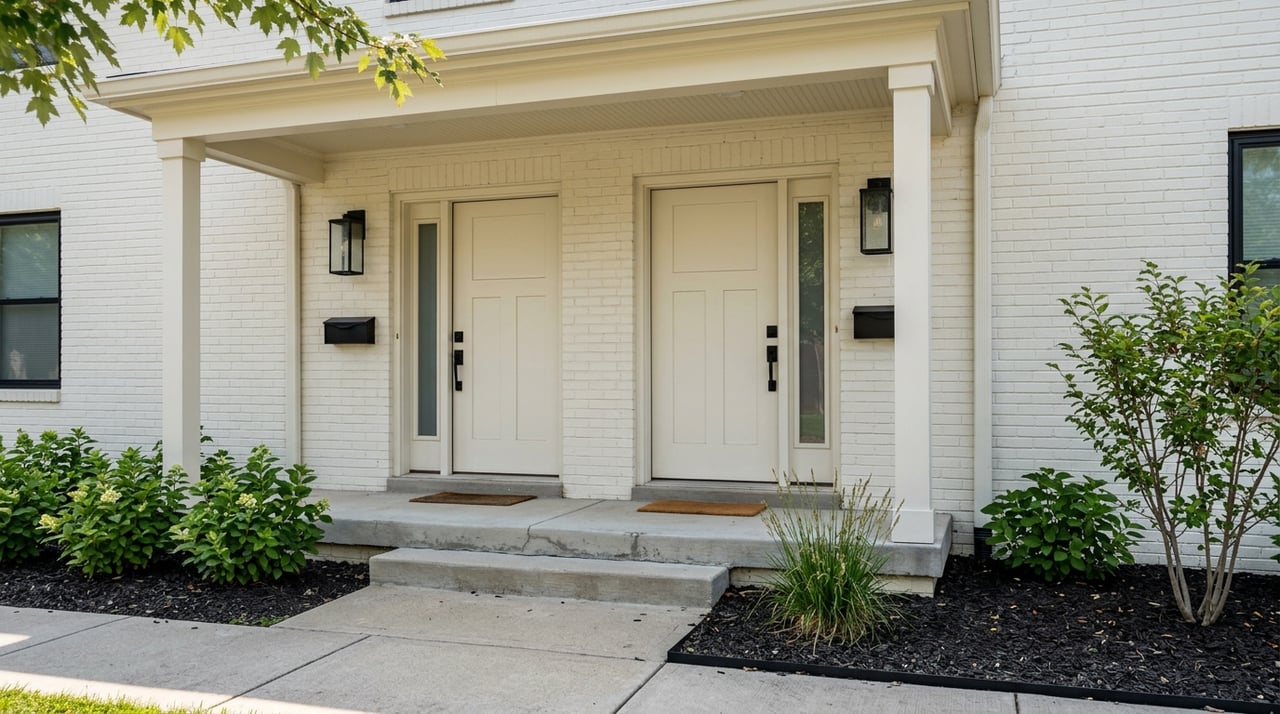
If your priority is low-maintenance ownership, the Woods at Hayden Run deserves attention. This community offers ranch-style condos with HOA-covered exterior maintenance, along with a clubhouse, pool, and fitness amenities.
Current examples are around $400,000. That makes it one of the clearest ownership options in Hilliard for buyers who want less upkeep without giving up space and comfort.
If you care more about freeway convenience, medical services, retail access, and newer mixed-use development, East Hilliard may rise to the top of your list. The areas around Britton Parkway, Trueman Boulevard, and Cemetery Road are the city’s clearest mixed-use and commute-oriented zone.
The city says TruePointe, on the east side of I-270, will combine office and medical space, retail, housing, and a hotel. The Britton Parkway area already includes a mix of medical, retail, and service uses, and the city’s comprehensive plan identifies Cemetery Road as Hilliard’s primary gateway corridor.
This part of Hilliard tends to feel more connected to regional movement than to a historic downtown atmosphere. For some buyers, that tradeoff is exactly the point.
Britton Farms Park adds a neighborhood-scale amenity with a fishing pond, multiuse paths, grills, and a picnic area. Recent Britton Farms listings also showed larger four-bedroom homes that can reach the low-$500,000s.
If your daily routine includes regular freeway travel or you want easier access to services and newer mixed-use development, East Hilliard can offer a different kind of convenience than the rest of the city.
When buyers compare Hilliard neighborhoods, price and home style matter, but park and trail access often becomes the real tiebreaker. Hilliard’s mobility strategy is focused on better connections between neighborhoods, parks, mixed-use destinations, and the regional trail network.
The Heritage Rail Trail is a major part of that picture. Metro Parks says it runs 6.1 miles from Main Street to Cemetery Pike, and the city manages the southern section from Hayden Run Road to Old Hilliard. The city also highlights Hellbranch Trail improvements through Roger A. Reynolds Municipal Park and shared-use paths along Scioto Darby Road.
Across Hilliard, neighborhood parks add another layer of lifestyle value. Old Hilliard, Hayden Run Village, Lakewood, Cross Creek, Darby Glen, Britton Farms, Hilliard East, and Roger A. Reynolds all contribute different mixes of walking paths, playgrounds, open green space, sports fields, pools, fishing ponds, and disc golf.
If you are choosing between two homes that otherwise feel similar, ask yourself a simple question: Where would you actually spend your weekends? That answer often tells you which pocket of Hilliard fits best.
If you are trying to narrow your search, this quick breakdown can help:
The best Hilliard neighborhood is usually not about picking the most popular name. It is about matching your home search to the way you actually want to live.
If you want a village feel, Old Hilliard stands apart. If you want a classic suburban setup, several 1990s neighborhoods give you that. If you want more home, less maintenance, or easier access to I-270, there are clear pockets for those goals too.
That is where local guidance becomes especially helpful. When you compare Hilliard by lifestyle pattern instead of just by price or square footage, it gets much easier to focus your tours, avoid wasted time, and move forward with more confidence.
If you are planning a move in Hilliard and want help narrowing down the right neighborhood for your budget and goals, connect with Richmond Home Team to start your home journey.
Stay up to date on the latest real estate trends.
If you're in the market for a new home, looking to sell your current home, looking for an investment property, or all of the above, let us be your guides to help you make that dream come true!
Get In Touch With Our Team To Learn More
5400 Frantz Rd. Dublin, OH 43016