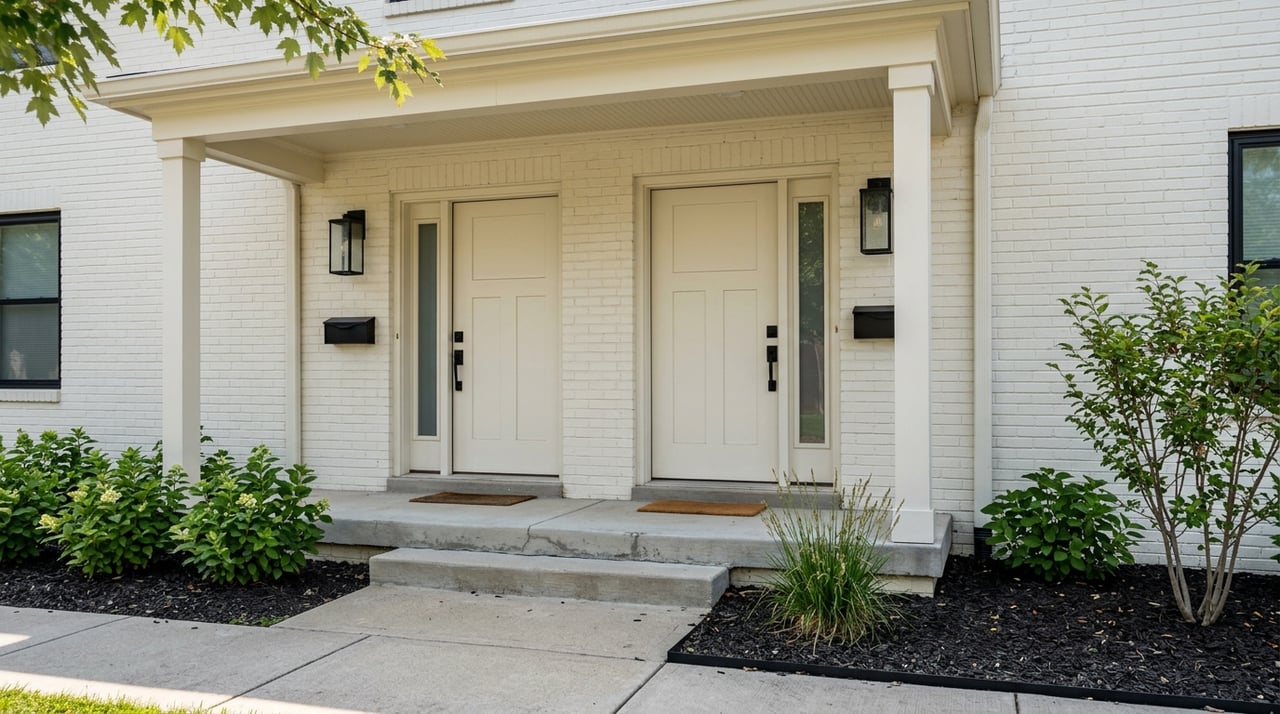
House Hacking In Clintonville: Live-In Duplex Strategies
June 18, 2026
June 18, 2026
Thinking about buying a duplex in South Clintonville so a tenant can help offset your housing costs? It is a smart strategy on paper, but the details matter more here than many buyers expect. In a neighborhood where duplexes are part of the housing mix but not the dominant property type, success usually comes from careful property selection, conservative math, and strong due diligence. Let’s break down how live-in duplex house hacking works in South Clintonville.
South Clintonville is not a neighborhood full of multifamily buildings. The City of Columbus Clintonville Neighborhood Plan describes the area as mostly single-family, with two- to three-family and multifamily properties making up a much smaller share of the housing stock.
That matters because a house-hack search here can take more patience. You are not shopping in a market where duplex options are everywhere, so when a good fit appears, you need to evaluate it quickly and carefully.
There is still a real case for this strategy in South Clintonville. The city plan points to the High Street South District, from Glen Echo to Torrence Road, as a corridor where retail, office, upper-story residential, and multifamily development are appropriate, which supports the idea that small multifamily opportunities are part of the local landscape.
The neighborhood’s older housing stock also shapes the strategy. The city describes Clintonville as a streetcar suburb with many older home styles, which means buyers should expect more variation in layout, condition, and major systems than they might find in newer areas.
For house hacking, the property type matters a lot. A true duplex or other two- to four-unit building is different from a one-unit home with an accessory dwelling unit, and that distinction can affect financing, appraisal, and how the property is classified.
Features like separate utility meters, a unique postal address, and whether a unit can legally be rented may all factor into how a property is viewed. That is one reason you should never assume a lower level, carriage house, or converted space automatically functions like a legal duplex.
Before you get too far into the numbers, confirm the property’s actual use and zoning. In Columbus, zoning is parcel-specific, and each property sits within a district that controls permitted uses and development standards.
One of the easiest mistakes in house hacking is falling in love with a property before confirming what it legally allows. Columbus provides zoning resources, including a zoning map and zoning confirmation process, and those are the right starting points if you want to verify duplex or small rental use.
This step is especially important in South Clintonville because small multifamily homes are the minority, not the rule. A property may look like a duplex or have been used a certain way in the past, but your decision should be based on current parcel-level information.
If you are buying with the goal of living in one unit and renting the other, clarity here protects you later. It can also help you avoid financing or title issues once you are under contract.
The main appeal of house hacking is simple: you live in one unit and use rent from the other unit to reduce your monthly housing cost. Freddie Mac specifically frames its two- to four-unit guidance around owner-occupied primary residences and notes that rental income from the other units can be added to a borrower’s total income.
That makes duplex buying different from a standard single-family purchase. The lender is not just reviewing your income and debts, but also evaluating the property’s rent potential and how that income supports the loan.
FHA can also be part of the conversation for a house hack. HUD says FHA single-family programs apply to one- to four-family owner-occupied principal residences, and at least one borrower must occupy the property within 60 days and intend to continue living there for at least one year.
If a tenant is already in place, your due diligence becomes even more important. Fannie Mae requires gross monthly rent to be reported for all two- to four-unit principal residence properties, and existing leases and title review become part of the purchase picture.
House hacking is often pitched as a way to live for free, but that is not a safe assumption in South Clintonville. Current mortgage conditions matter, and Freddie Mac’s Primary Mortgage Market Survey reported a 30-year fixed rate of 6.52% on June 11, 2026.
Franklin County provides useful baseline numbers for context. Census QuickFacts shows median gross rent at $1,233 and median selected monthly owner costs with a mortgage at $1,732.
Those county figures are not specific to South Clintonville, but they help show the basic tension. Rent can reduce your out-of-pocket cost, but it may not cover the full monthly payment once you include taxes, insurance, maintenance, and vacancy.
A directional South Clintonville pricing snapshot in the research report put median sale prices around $461,000 in early 2026. At 20% down and the June 2026 benchmark rate, principal and interest alone would be about $2,336 per month, before adding the rest of your ownership costs.
That is why smart house hacking is usually about lowering your housing expense, not eliminating it. Conservative assumptions tend to produce better decisions than optimistic rent projections.
If you want a live-in duplex to work, run the numbers with a margin for real life. Focus on what you can comfortably afford if rent is lower than expected or if the other unit sits vacant for a period.
A practical review should include:
In an older area like South Clintonville, repair risk deserves extra attention. Older roofs, plumbing, electrical systems, windows, and foundations can all change the real monthly cost of ownership.
A house-hack purchase combines the mindset of a homeowner and a small landlord. That means your inspection and document review should go beyond the basics.
Start with the physical condition of the property. In an older duplex, you will want to look closely at mechanical systems, water intrusion, deferred maintenance, and whether each unit functions safely and independently.
Lead risk also belongs on the checklist. Columbus notes that homes built before 1978 may have lead hazards, and renovation work can create dangerous lead dust.
If there is already a tenant, review the lease terms, deposits, rent history, and possession details carefully. You want to understand exactly what transfers with the property and what obligations begin on day one.
If you rent out one unit of your duplex, local compliance matters. Columbus enacted Chapter 4515, the Registry of Residential Rental Properties, in April 2026.
The city bulletin says the registry is public online, and the owner or local operator of a residential rental property must register each calendar year. For small owners with fewer than 10 total dwelling units, a local operator does not have to be identified.
The rule applies to properties with one or more dwelling units that are leased or otherwise rented to tenants. For a live-in duplex, that means the rental side of the property is likely covered even if you occupy the other unit yourself.
Conditional registrations can lead to inspections, remediation plans, and fees. That makes it important to understand the property’s condition and compliance status before you close.
Once you rent a unit, you are not just a homeowner. You are also taking on legal responsibilities as a landlord under Ohio law.
Ohio requires landlords to keep premises fit and habitable, keep common areas safe and sanitary, and maintain key systems in good working order. The law also requires security-deposit deductions to be itemized and delivered in writing within 30 days after the rental ends and possession is delivered.
That may sound basic, but it affects how you budget and manage the property. A duplex can support your finances, but only if you are ready for the operational side too.
Some buyers like the idea of starting with a long-term tenant and later switching to short-term stays. If that thought is part of your plan, make sure you understand the local rules before treating it as a backup strategy.
Columbus requires a short-term rental permit for that type of use. So if you are buying a duplex for long-term house hacking, it is better to evaluate the deal based on long-term rental assumptions, not on a future use that would require a different approval path.
The best live-in duplex strategies in South Clintonville tend to share a few traits. They start with legal use verification, realistic financing expectations, and a clear understanding of the property’s physical condition.
They also rely on conservative rent assumptions. In this market, the goal is often to reduce your monthly housing burden and build long-term equity, not to force the property into perfect cash-flow math from day one.
If you are patient and disciplined, South Clintonville can still be a compelling place to look. The right duplex can give you owner-occupant financing options, help offset costs, and open the door to a more flexible path into real estate ownership.
If you want help evaluating a South Clintonville duplex, comparing live-in multi-unit options, or pressure-testing the numbers before you make an offer, connect with Richmond Home Team.
Stay up to date on the latest real estate trends.
If you're in the market for a new home, looking to sell your current home, looking for an investment property, or all of the above, let us be your guides to help you make that dream come true!
Get In Touch With Our Team To Learn More
5400 Frantz Rd. Dublin, OH 43016