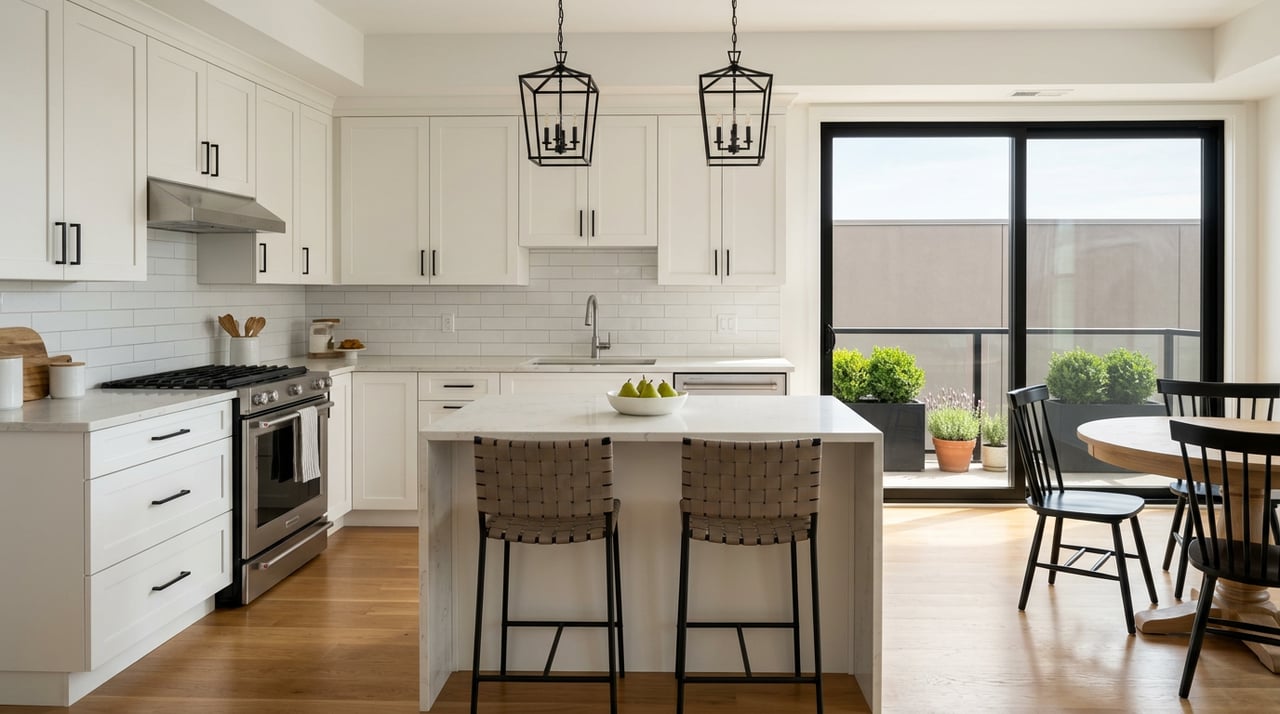
Upper Arlington Condos vs. Houses: How to Decide
March 24, 2026
March 24, 2026
Trying to decide between a condo and a house in Upper Arlington? You’re not alone. With limited inventory and strong demand, it can be tough to sort out what fits your budget and lifestyle best. In this guide, you’ll see how monthly costs differ, what day‑to‑day living looks like, and what to check for financing and resale. You’ll leave with a clear checklist and a simple way to choose with confidence. Let’s dive in.
As of January 2026, third‑party data providers show Upper Arlington as a premium, competitive market. Zillow reports a typical home value near $604,000, and Redfin shows a median sale price around $636,500. Days on market tend to be short. Inventory is also tight.
Condo options exist but make up a smaller share of local listings. You’ll often find them near shopping and transport corridors such as Lane Avenue, Kingsdale, and the Scioto corridor. Price points can range from the mid‑$100,000s to the high end depending on size and location. Always confirm current numbers with your agent’s MLS data at the time you’re shopping.
Upper Arlington calculates residential property tax using the assessed value, which is about 35% of appraised market value. The city cites an annual residential tax charge of $76.67 per $1,000 of assessed value. You can review the city’s guidance on the Taxes in Upper Arlington page.
Illustrative example only:
Levies and credits can change, so use this math as a starting point and verify the final bill with current city and county data.
Many Upper Arlington condos show HOA fees roughly in the $250 to $350 per month range, though they can be lower or higher based on amenities and whether utilities are included. Listing examples often show coverage for exterior maintenance, building insurance, landscaping, snow removal, trash, water and sewer, and sometimes gas or cable. Always confirm what is included for a specific community.
HOA fees shift many big‑ticket exterior costs from you to the association. Well‑funded reserves help keep fees stable and reduce the risk of special assessments. You can learn how associations plan reserves from this overview on reserve funding strategies.
If you buy a single‑family home, you’ll typically carry an HO‑3 policy that covers the entire structure, personal property, and liability. Condo owners usually carry an HO‑6 policy that covers the interior of the unit, personal property, liability, and sometimes loss assessments related to the association’s master policy. Because the condo’s exterior is insured by the association’s master policy, condo premiums are often lower than single‑family premiums. See a clear overview of coverage types in this homeowners insurance guide.
For a cost sense, insurers note that condo policies are generally less expensive than full homeowners policies, but rates vary by building, location, and coverage. You can explore typical condo insurance cost drivers at Insure.com’s overview. Always get quotes for your specific address and coverage needs.
Upper Arlington handles solid‑waste services and stormwater. Potable water and sewer are billed by the City of Columbus. Some condo HOAs include water and sewer in the monthly fee, which can simplify budgeting. Review the city’s utilities and billing page to understand how services are structured, and ask each HOA what utilities your fee includes.
Condo residents often tap into nearby parks and city amenities for extra green space and recreation. Explore local options like Reed Road Water Park, Tremont and Fancyburg parks, and the Bob Crane Community Center on the city’s Parks & Recreation page.
Condo parking can be assigned spaces, carports, or a garage, plus guest spots. Policies vary by community. If you have multiple vehicles or frequent visitors, confirm the number and location of assigned spaces, guest parking rules, and any on‑street restrictions with the HOA and city code.
Upper Arlington City Schools often rank well on third‑party rating sites, and many buyers prioritize proximity to schools and parks when choosing a home. You can review independent ratings on Niche’s Upper Arlington Schools page. Keep in mind that building type is just one factor. Bedrooms, yard size, and neighborhood features may guide your choice more than condo versus house.
Upper Arlington’s long‑term value performance has been supported by its location, amenities, and limited land for new development. Single‑family homes typically draw the widest buyer pool. Well‑managed condos also perform well over time, but certain buildings may face smaller buyer pools if financing is limited.
Before you write an offer on a condo, ask your agent to request and review:
Condo loans often require a project review for eligibility with Conventional or FHA financing. If a project is deemed non‑warrantable, financing may still be possible through specialty lenders but can come with higher rates or larger down payments. Ask your lender early to check a building’s status using tools like Fannie Mae’s Condo Project Manager.
Below is a simple, non‑mortgage cost snapshot to show how a house and condo might compare in Upper Arlington. These are illustrative only. Always confirm current tax rates, HOA inclusions, and insurance quotes.
You may lean toward a condo if you:
You may lean toward a house if you:
For condos, also verify:
Ready to compare specific properties side by side and make a confident decision in Upper Arlington? Connect with the Richmond Home Team to get MLS‑accurate numbers, building reviews, and a personalized cost breakdown.
Stay up to date on the latest real estate trends.
If you're in the market for a new home, looking to sell your current home, looking for an investment property, or all of the above, let us be your guides to help you make that dream come true!
Get In Touch With Our Team To Learn More

5400 Frantz Rd. Dublin, OH 43016